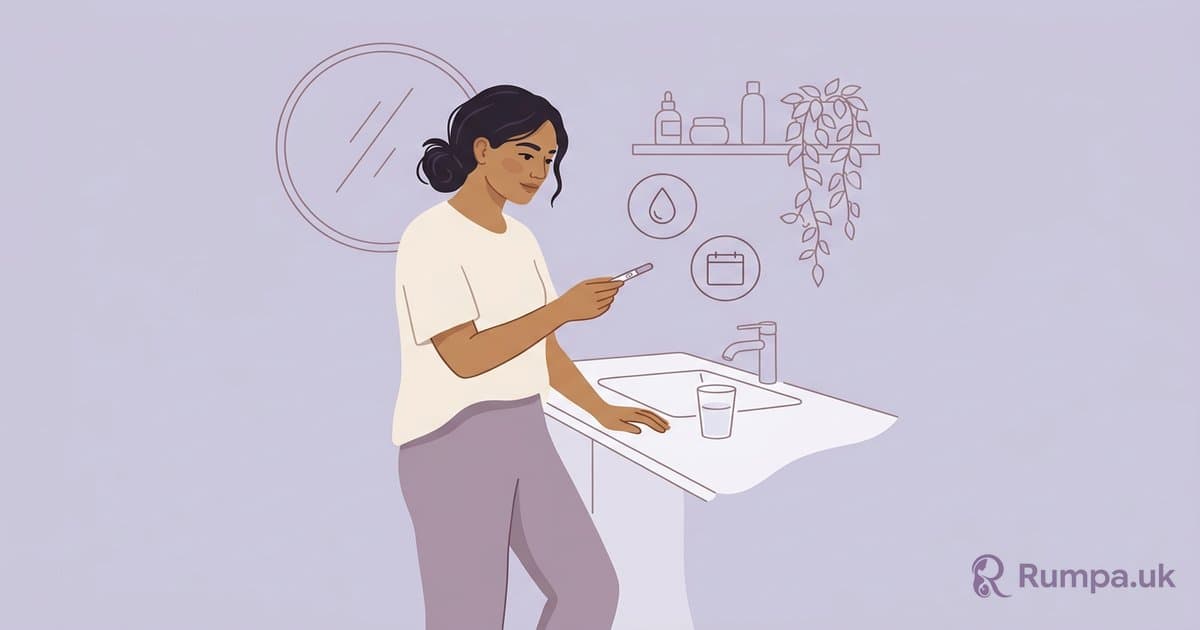
The signs of ovulation that matter for TTC aren't the ones plastered across pastel infographics. In my clinic, women who learn three reliable signals and ignore the noise reach a useful cycle map within one or two months, instead of chasing every twinge for half a year. If you're new to active TTC, our overview of trying to conceive tips for your first 6 months sits alongside this guide.
This piece sorts the common signs of ovulation by how much weight I'd put on each one when reading a patient's cycle chart.
The Reliable Signs of Ovulation, Ranked
Not every sign of ovulation deserves equal attention. After two decades of cycle charts, this is how I'd tier them [src].
Tier 1 (high reliability):
- LH surge on a urine test (OPK).
- Fertile cervical mucus (clear, stretchy, egg-white in appearance).
- A biphasic basal body temperature pattern across a full cycle.
Tier 2 (supportive):
- Cervix position softening and opening.
- Mittelschmerz (a one-sided pelvic twinge mid-cycle).
- A noticeable libido lift in the days before ovulation.
Tier 3 (low specificity, often misread):
- Breast tenderness.
- Bloating.
- Mood shifts.
If you've been wondering what does ovulation feel like, the truthful answer is that for many women it feels like very little. Tier 3 symptoms overlap heavily with the late luteal phase, which is why I steer patients toward Tier 1 first.
Cervical Mucus Changes: The Underrated MVP
Of the three reliable signs of ovulation, cervical mucus changes are the cheapest and the most widely available, and they're the one most patients underuse. The pattern across a cycle moves: dry, then sticky, then creamy, then watery, then egg-white. That stretchy, clear egg-white mucus is the green light [src].
To check, wipe with toilet paper before urinating, or use a clean fingertip at the vaginal opening. Note colour, texture and stretch. Egg-white mucus stretches an inch or more between fingers without breaking.
Cervical mucus peak aligns with the LH surge roughly 78% of the time within plus or minus one day. That's why mucus alone is good, and mucus plus an OPK is excellent.
The LH Surge and How OPKs Read It
The LH surge is the hormonal trigger that kicks ovulation off. Ovulation predictor kits (OPKs) detect rising luteinising hormone in urine and flag the 24 to 36 hour window before the egg is released.
A few practical points I repeat in clinic:
- Test from around day 10 of a typical 28-day cycle (earlier for shorter cycles, later for longer).
- Test in the afternoon, with first morning urine often missing the rise.
- Test at the same time daily for a clean trend.
- A digital "smiley" or peak line means ovulation is likely within 24 to 36 hours, not immediately.
If you have PCOS, OPKs are less reliable. Multiple LH peaks across a cycle without follicular release are common, which creates false positives. Our piece on how to know if you have PCOS covers the cycle patterns that hint at PCOS.
The LH surge is also the moment to pair this guide with how to use a fertile window calculator, so the two tools confirm each other rather than competing.
Ready for a personalised fertility plan?
Book a one-to-one consultation. We'll review your history and map the next concrete step.
Basal Body Temperature: The Retrospective Confirmer
Basal body temperature (BBT) is the third Tier 1 sign of ovulation, and the most misunderstood. BBT confirms that ovulation has already happened. It doesn't predict it [src].
After ovulation, progesterone from the corpus luteum nudges resting body temperature up by 0.2 to 0.5 degrees Celsius. Charted across a cycle, you see a biphasic pattern: cooler in the follicular phase, warmer across the luteal phase.
To take it accurately:
- Use a thermometer with two-decimal precision (a true BBT thermometer).
- Take it at the same time every morning, before sitting up, drinking, or speaking.
- Oral or vaginal placement is fine, just keep it consistent.
BBT is most useful across two or three cycles to map your own pattern. For the limits of what a chart can tell you, see how accurate BBT charting really is for TTC.
When the Signs of Ovulation Contradict Each Other
This is where a lot of women lose confidence in tracking. A few common patterns I see in clinic:
Positive LH but no BBT shift. Possible explanations include a luteinised unruptured follicle (LUF), where the follicle never releases the egg, or simply a late ovulation that the chart will pick up over the next two or three days.
Egg-white mucus without a temperature shift. This often reflects an oestrogen rise without ovulation, a common pattern in PCOS or in the months after stopping hormonal contraception.
Mittelschmerz with no other signs. Pelvic twinges can come from ovarian cysts, ovulation, or unrelated bowel activity. On its own, mittelschmerz isn't enough.
The rule I give patients: if two or three cycles in a row show conflicting Tier 1 signals, bring the charts to a clinician rather than self-diagnosing.
How to Tell If You Are Ovulating Naturally Without Buying Anything
If you're asking how to tell if I am ovulating naturally without spending money on kits, cervical mucus observation is the answer. It's free, it's evidence-based, and across two cycles it gives you a working window. Pair it with cycle-length tracking on a notes app, and you have a starter kit that costs nothing.
OPKs and thermometers add precision, but they're additions to body literacy, not replacements.
NHS vs US Pathway for Ovulation Investigation
If your signs of ovulation are absent or contradictory across multiple cycles, the next step is a clinical workup.
UK / NHS: Your GP can request a day-21 (mid-luteal) progesterone blood test to confirm ovulation has occurred, typically after 6 to 12 months of trying depending on your age and history. Pelvic ultrasound and AMH usually require referral to a fertility clinic.
US: An OB-GYN can typically order the same panel sooner, including AMH and antral follicle count, without a referral. Insurance coverage varies by state and plan.
What This Means for You
Pick one Tier 1 sign of ovulation for your first cycle, layer in the second from cycle two, and stop adding tools after that. Knowing the signs of ovulation is body literacy, not a daily exam. If two cycles of careful tracking still don't give you a recognisable pattern, that's the point to bring the chart in for a review rather than buying more apps.
Ready for a personalised fertility plan?
Book a one-to-one consultation. We'll review your history and map the next concrete step.
What does ovulation feel like?+
For most women, very little. Some notice a one-sided pelvic twinge (mittelschmerz), a libido lift, or breast tenderness. Many women feel nothing at all, which is normal and not a fertility concern.
Can you ovulate without an LH surge on a test?+
You can ovulate without the test catching the surge. Missed timing, dilute urine, or testing only once a day can all miss a short surge. Persistent negative OPKs across a full cycle, paired with no mucus change and no BBT shift, is the pattern worth investigating.
How accurate is the BBT method alone?+
BBT alone confirms ovulation happened in around 80 to 85% of cycles when charted correctly. It's a retrospective tool, so it's poor at timing intercourse in real time. Pair it with cervical mucus or an OPK.
Do I need an ovulation kit if I have egg-white mucus?+
Not necessarily. If your mucus pattern is clear and your cycles are regular, mucus tracking plus calendar awareness is enough for many couples. OPKs add value if cycles are irregular or you've been trying for three or more cycles without conception.
Why is my cervical mucus changing but no positive LH?+
Oestrogen rises drive the mucus change, and they can happen without a successful LH surge. This is common in PCOS, post-pill cycles, and stress-related cycle disruption. Two or three cycles of this pattern warrants a clinical review.
Can you ovulate twice in one cycle?+
Two ovulations can happen, but only within a 24-hour window of each other (this is how non-identical twins occur). The body doesn't ovulate again later in the same cycle, because progesterone from the corpus luteum suppresses further LH surges.
References
Citations referenced inline above link to their primary sources (NHS, NICE, CDC, ACOG, ASRM, peer-reviewed journals).