
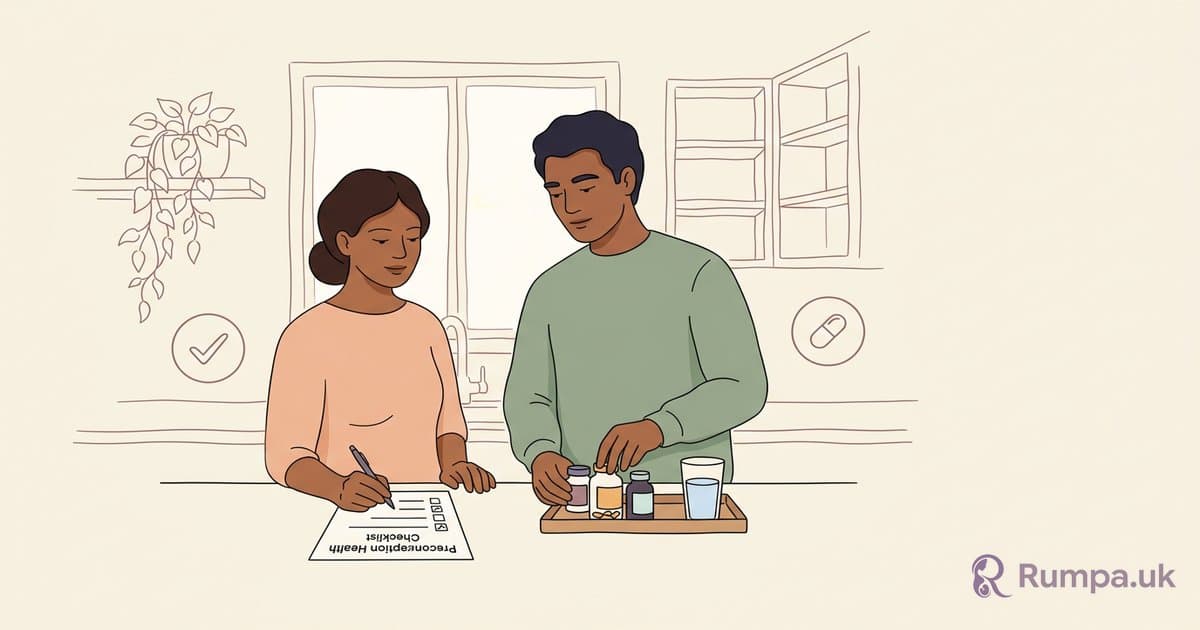
Preparing your body for pregnancy is one of the most important things you can do for your future baby. Preconception care isn't just about stopping birth control — it's about optimizing your physical, emotional, and reproductive health.
Why Preconception Care Matters
The first few weeks of pregnancy are critical for fetal development, often before you even know you're pregnant. By preparing your body in advance, you're giving your baby the best possible start.
Your Preconception Checklist
1. Schedule a Preconception Visit
Book an appointment with your healthcare provider to discuss:
- Your medical history and any chronic conditions
- Current medications and their safety during pregnancy
- Your family's genetic history
- Any previous pregnancy complications
2. Start Prenatal Vitamins
Begin taking a prenatal vitamin with at least 400mcg of folic acid daily, ideally starting 3 months before trying to conceive. Folic acid helps prevent neural tube defects.
3. Optimize Your Nutrition
Focus on a balanced diet rich in:
- Folate-rich foods — Leafy greens, legumes, citrus fruits
- Iron-rich foods — Lean red meat, spinach, lentils
- Omega-3 fatty acids — Salmon, walnuts, flaxseed
- Calcium — Dairy products, fortified plant milks
4. Achieve a Healthy Weight
Both underweight and overweight conditions can affect fertility. Aim for a BMI between 18.5 and 24.9. If you have PCOS, even a small weight reduction can significantly improve your chances of conception.
5. Review Your Lifestyle
- Limit caffeine to under 200mg per day
- Avoid alcohol completely when trying to conceive
- Quit smoking — Smoking affects both fertility and pregnancy outcomes
- Exercise moderately — 30 minutes of moderate activity most days
6. Track Your Cycle
Understanding your menstrual cycle helps identify your fertile window. Consider using:
- Basal body temperature tracking
- Ovulation predictor kits
- Cycle tracking apps
7. Manage Stress
Chronic stress can affect ovulation and fertility. Incorporate stress-management techniques like meditation, yoga, or counseling into your routine.
8. Check Your Vaccinations
Ensure you're up to date on vaccinations, particularly:
- MMR (Measles, Mumps, Rubella)
- Varicella (Chickenpox)
- Hepatitis B
When to Seek Help
If you've been trying to conceive for:
- 12 months and you're under 35
- 6 months and you're 35 or older
- Any time if you have known fertility issues
It's time to schedule a fertility consultation. Early evaluation can identify issues and help you move forward with an effective treatment plan.
You're Not Alone
The journey to parenthood can feel overwhelming, but you don't have to walk it alone. Whether you're just starting to think about having a baby or have been trying for a while, I'm here to help guide you every step of the way.